When’s the Best Time to Buy Travel Insurance for Your California Getaway?
Traveling to California requires planning when to go, where to stay, how to get around, and what to do. Your risk increases with your payments. Travel insurance lowers risk, but its effectiveness depends on when you buy it and pay for your trip.
It’s best to make your first payment, commonly known as the “first trip payment date.” This gets you rewards and eligibility windows that may expire soon after booking. Many policies exempt pre-existing problems, cover supplier default, and allow you to choose. Upgrades must be purchased within 10–21 days of the original payment for any reason. If you wait, you may not obtain those benefits, leaving you without a safety net when you need it most. This is the best timing to buy travel insurance for a California vacation – especially if you’ve already prepaid non-refundable parts of your trip (like hotel deposits, plane tickets, or tour bookings).
Early insurance purchase can also simplify your overall travel planning. It simply reduces the stress of having to consider multiple policy options later. It provides a clear sense of financial protection, allowing you to commit to activities like wine tours, guided hikes, or adventure sports.
Why Timing Matters More Than You Think
Insurers underwrite purchases based on unknowns. When a catastrophic event is “foreseeable,” like a named storm threatening the coast, a wildfire forcing people to abandon their homes, or a recorded strike at a vital supplier, new restrictions don’t apply. Early buyers can acquire coverage before a risk is reported. It covers more cancellation and interruption situations, such as sudden illness or tour business insolvency.
Timing is also important because policies often include tiered benefits. Early buyers might qualify for enhanced coverage limits, bonus perks, or other options like lost luggage reimbursement, for example. Securing insurance early might also make claims processing smoother, since documentation of dates, payments, and pre-trip conditions is easier to track. Waiting until closer to your departure could result in policy exclusions or reduced benefits due to the insurer possible perceiving increased risks.
Some California Risks
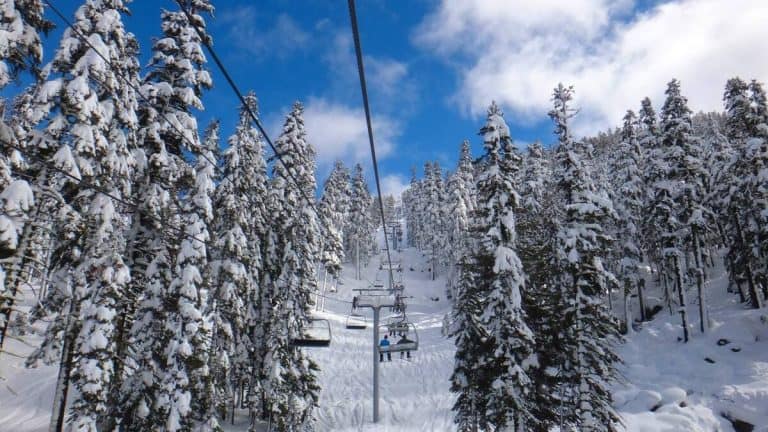
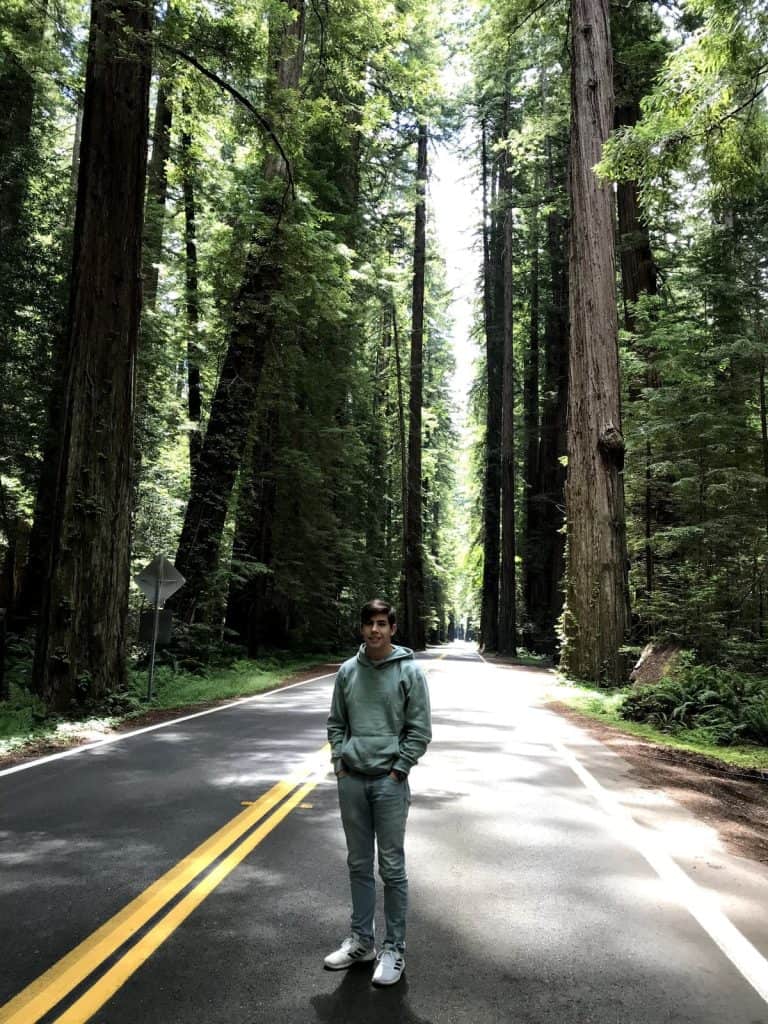
Wine country, redwood hikes, Pacific drives, desert stargazing, and Sierra Nevada snow runs are all popular in California. That range brings various concerns. Winter atmospheric river storms can flood and complicate navigation. Even far-off wildfire smoke can affect late summer and early fall activities. No one can forecast earthquakes, but infrastructure damage can hinder preparations. Early insurance coverage may help prevent post-event issues.
California’s geographic diversity also introduces unique travel challenges. Coastal fog can delay flights along the Pacific Coast Highway, while mountain passes may close unexpectedly during snowstorms. For desert adventures, sudden flash floods or heatwaves pose a serious risk. Travel insurance helps mitigate these concerns by providing coverage for unforeseen closures, emergency accommodations, or alternative transport arrangements. Tourists can plan more confidently, knowing that even in remote areas, there’s a financial safety net.
The state’s wildfire season and unpredictable weather patterns can impact both urban and rural travel. Early travel insurance means that cancellations, evacuation costs, or unexpected lodging changes are covered. Whether you’re visiting popular cities, national parks, or remote trails, having coverage in place ahead of time provides some peace of mind and greater flexibility.
What Coverage Should You Consider?
Most tourists need substantial trip cancellation and interruption benefits. These benefits are for protected reasons, including illness, injury, or unlivable weather. If your main health plan doesn’t cover out-of-network doctors, you need to secure medical and emergency evacuation coverage. Due to driving habits, rental automobile damage coverage may be less expensive in California than a rental car company’s guarantee. Look for an upgrade named “Cancel For Any Reason” that allows you to cancel for personal reasons, including unforeseen job obligations. This option is normally only offered during early purchase and requires cancellation 24 hours before departure.
Travelers should also consider coverage for adventure or extreme sports if planning activities such like skiing in the Sierra Nevada, surfing along the coast, or hiking in remote areas. Some policies include protections for electronics or personal property, which could be valuable if you’re taking cameras, drones, or laptops. For visitors from overseas, supplemental travel health insurance can cover the cost of medical care, which can be significantly higher than some domestic rates.
Keep Track of Your Purchases

Base your travel insurance on the date of your first non-refundable payment, such as a deposit for a Big Sur hotel or a Yosemite climb guide, to ensure you qualify for all early-purchase benefits. Calculate your getaway cost at checkout, then alter insurance as you add planes, vehicles, or events. Most policies allow mid-trip adjustments until a specific date. Claims departments check losses, so keep all charges and return instructions. If you’re planning a complicated itinerary in parts, buy the first significant nonrefundable commitment to avoid losing time-sensitive eligibility.
Keeping a good record of all payments, receipts, and booking confirmations is important. It’s easy to underestimate how quickly documents can become scattered, especially when using multiple booking platforms. With a clear timeline attached to the first insurance purchase, you streamline the claims process. This also helps in case of disputes with airlines, hotels, or tour operators, allowing you to prove your eligibility for coverage without stress.
Practical Timing Examples
In case a known ailment worsens, pre-existing condition waivers are available if you book a beach inn several months before the busy season and buy your policy the same day. Early coverage might assist in paying for extra nights or a new route if a winter storm washes out a highway segment, making your trip impossible.
Another practical example is planning around California’s festivals and sports events. Booking tickets for Coachella, the Monterey Jazz Festival, or an LA Lakers or Dodgers game for example, in advance requires nonrefundable deposits. Early insurance can protect these investments, reimbursing costs if unforeseen issues prevent you attending. Early coverage is also helpful when arranging complex multi-city itineraries across Los Angeles, San Francisco, and Napa Valley, where logistical hiccups could otherwise result in financial loss.
Early travel insurance is helpful for a wide range of activities, from a whale-watching tour off the coast to a skiing lesson in Lake Tahoe. These types of bookings often require upfront non-refundable payments. If unexpected illness, injury, or sudden weather prevents you from participating, insurance purchased early can cover these losses. Even small itinerary changes, like switching a day trip due to road closures or rescheduling a wine-tasting tour, can be reimbursed if coverage is already in place. Essentially, early purchase ensures that every aspect of your trip, from major events to daily activities, has a financial safety net.
Buy Early for a Safer California Getaway
In short, early travel insurance purchase is more than a precaution – it’s a major part of a well-planned trip to California. By acting promptly, you maximize your coverage options, safeguard your finances, and reduce stress during travel. Early coverage empowers you to explore everything California has to offer, from bustling cities and serene beaches to national parks and scenic highways.
Invest in California’s best insurance after your initial investment. This is important because of seasonal weather, long drives, and high reservation demand. Take action early to gain more defenses, qualify for upgrades, and shield your plans from public hazards. Consider the insurance while booking your flight, not later. You’ll know the expense, be ready for issues, and be able to enjoy California.